It was supposed to be a peaceful Shabbat morning.
The boys were playing in the front room. The house was quiet in that unhurried, sacred way that Saturday mornings in Israel can be. I was still in bed, slowly waking up, when the sound pierced everything.
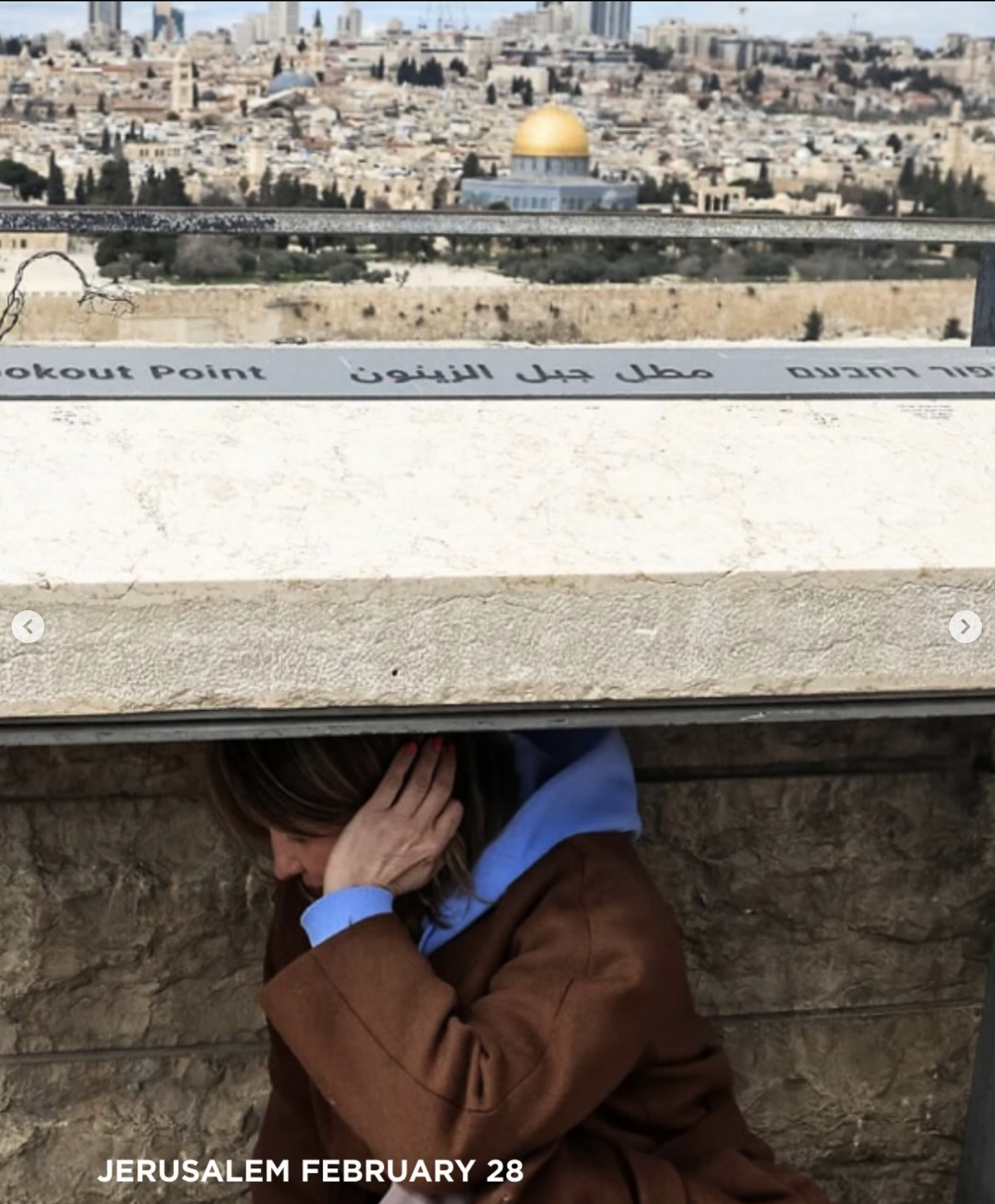
The Home Front Command alert is not something you ever get used to. It doesn’t matter how many times you have heard it. That screech hits you to your core. In an instant, the boys were screaming and crying, running for shelter. And just like that, the Shabbat’s peace was over.
As the reality settled in, the emotion that washed over me wasn’t what I expected. It wasn’t fear, exactly. It was discouragement. Because this was not our first time. We have been through this before, and there is something uniquely heavy about ballistic missiles fired at your city by a regime that has been chanting for your destruction for forty years. It lands differently in your chest than anything else we face here.
But then, the reports started coming in. And everything changed.
What Actually Happened
I want to give you a sense of the scale of what began that morning, because the numbers tell a story that is hard to grasp from a distance.
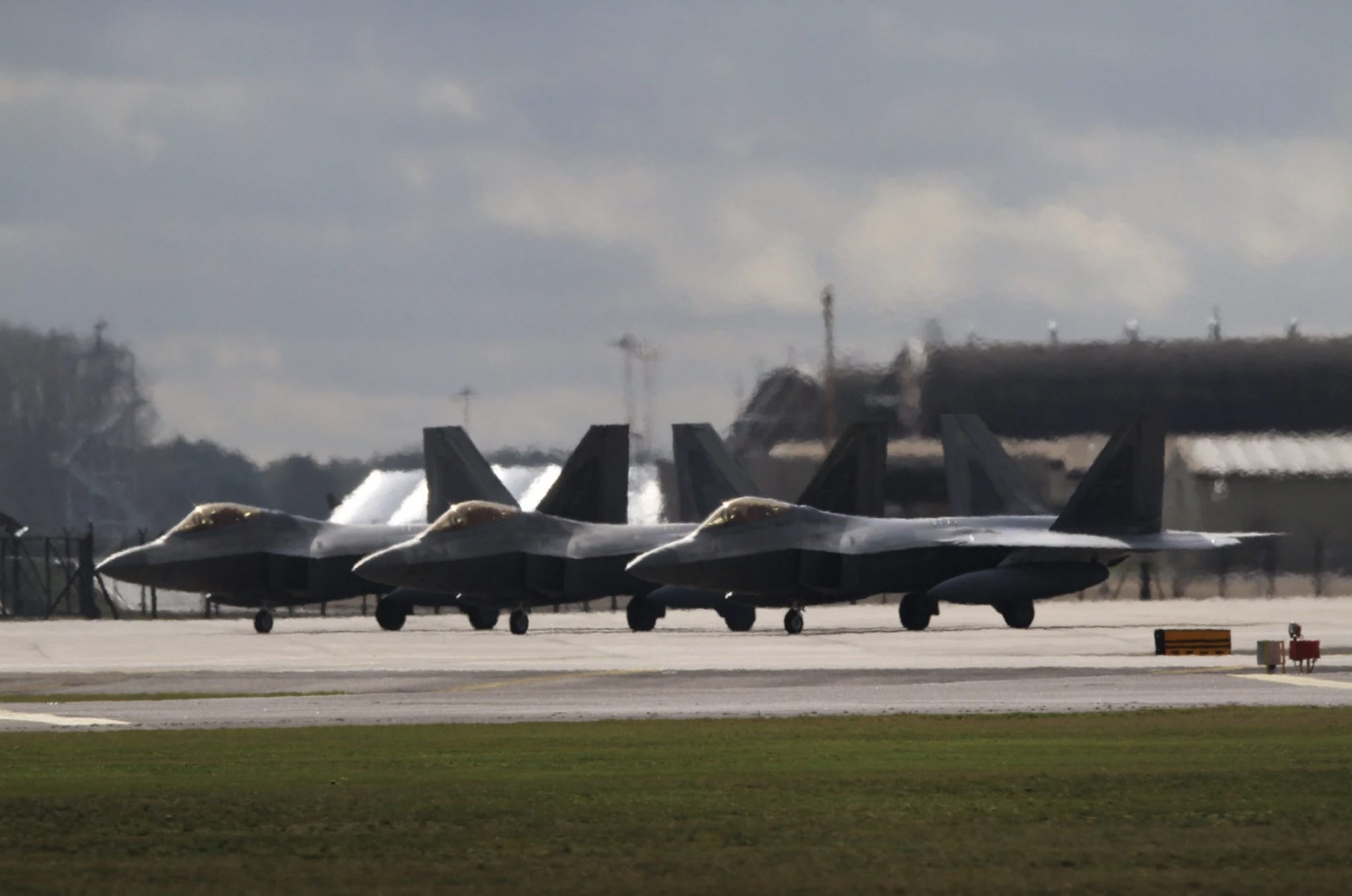
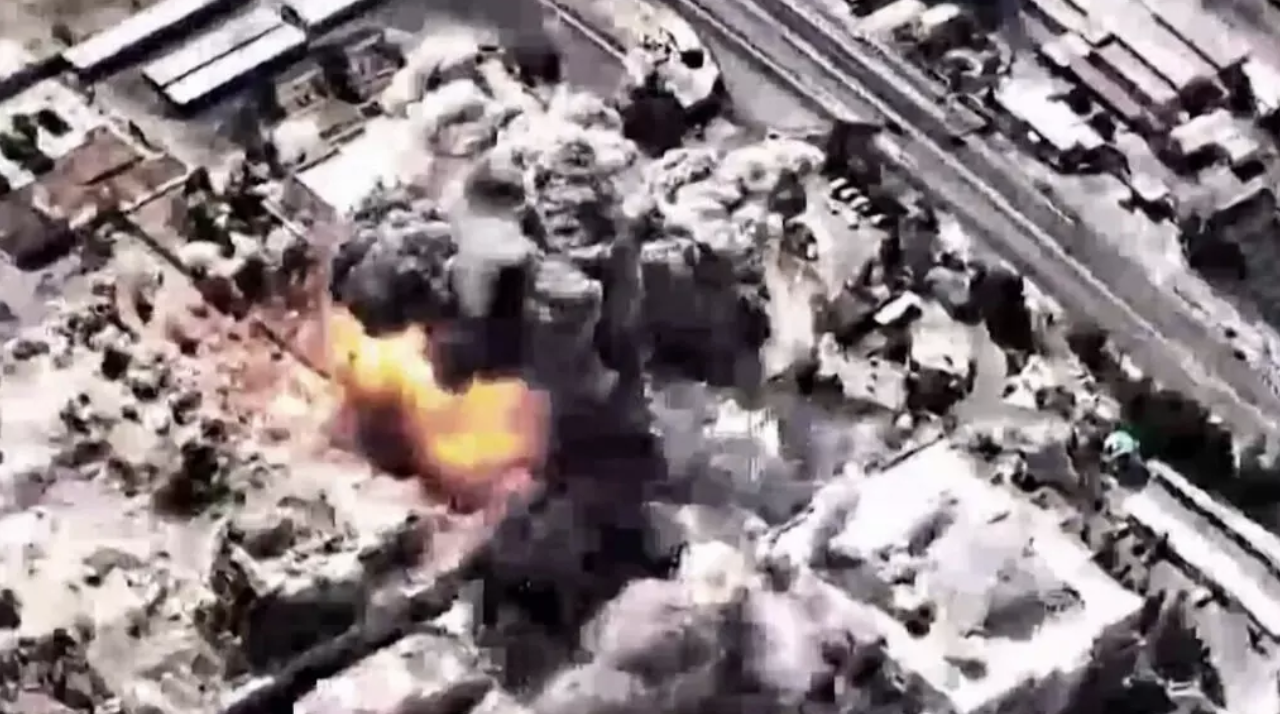
In the first 24 hours of the joint US-Israel campaign, nearly 900 strikes were carried out against Iranian targets. Israel accounted for roughly 500 of those. Here on the ground, that translated to around 150,000 Israeli reservists either already on duty or newly called up. Walking through my neighborhood in the days that followed, you could feel it. Families waiting for any news from their sons and husbands. Conversations in the street start with “Have you heard anything?” The particular silence of a community holding its breath.
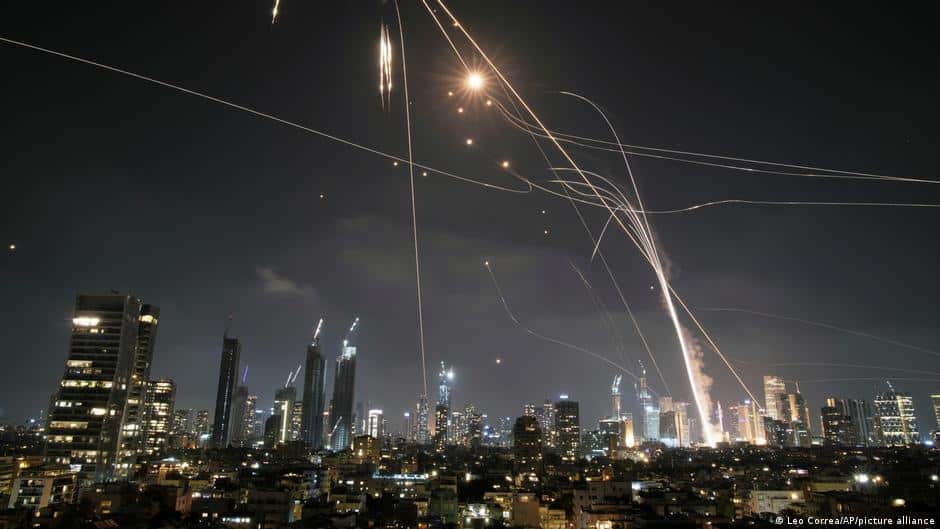
Iran’s retaliation came fast and has not stopped. What began as roughly 170 ballistic missiles fired in the opening wave has now grown to an estimated 250 to 300 missiles across about 90 waves since February 28, with 62 of those waves hitting Israel in a single 24-hour period alone.
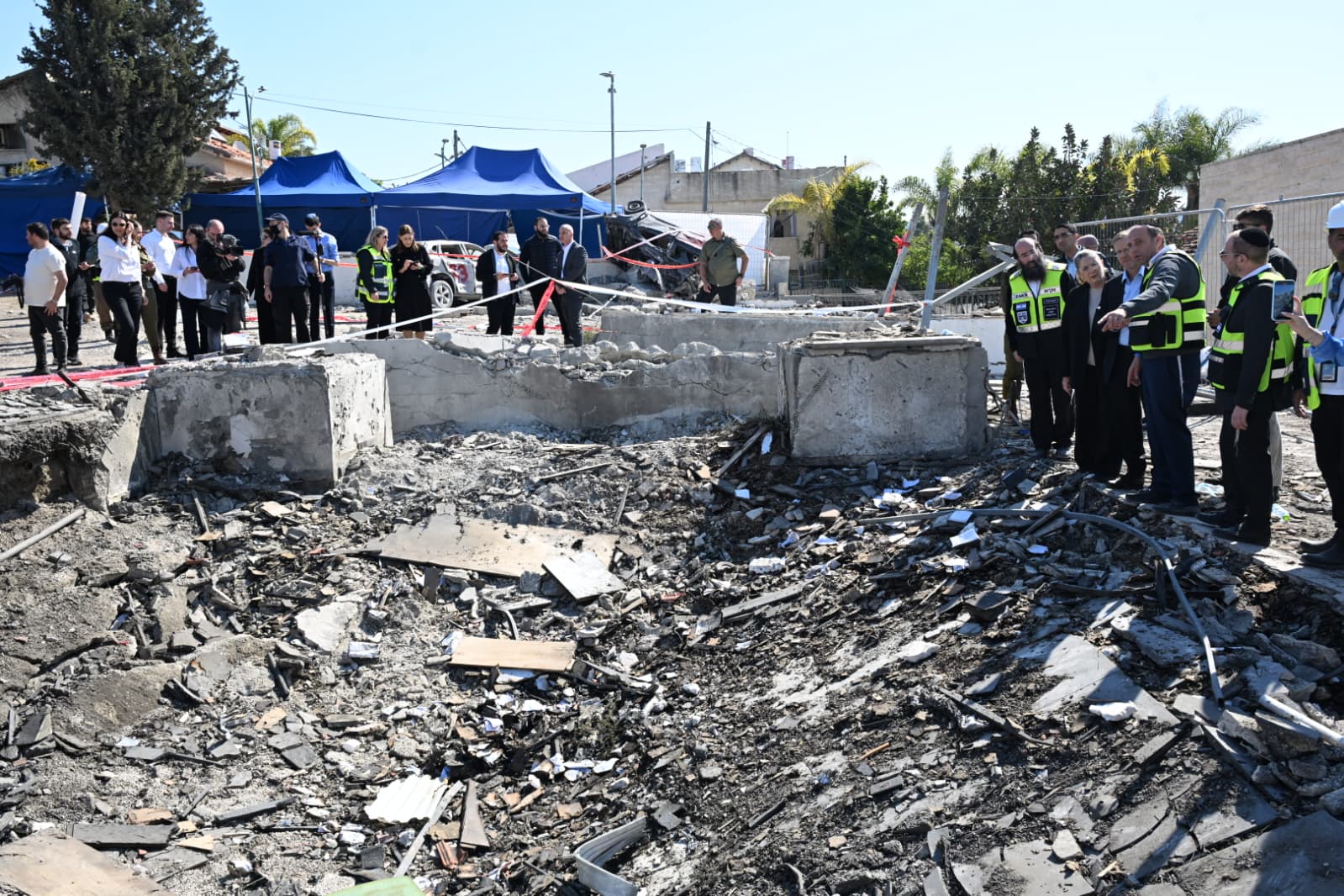
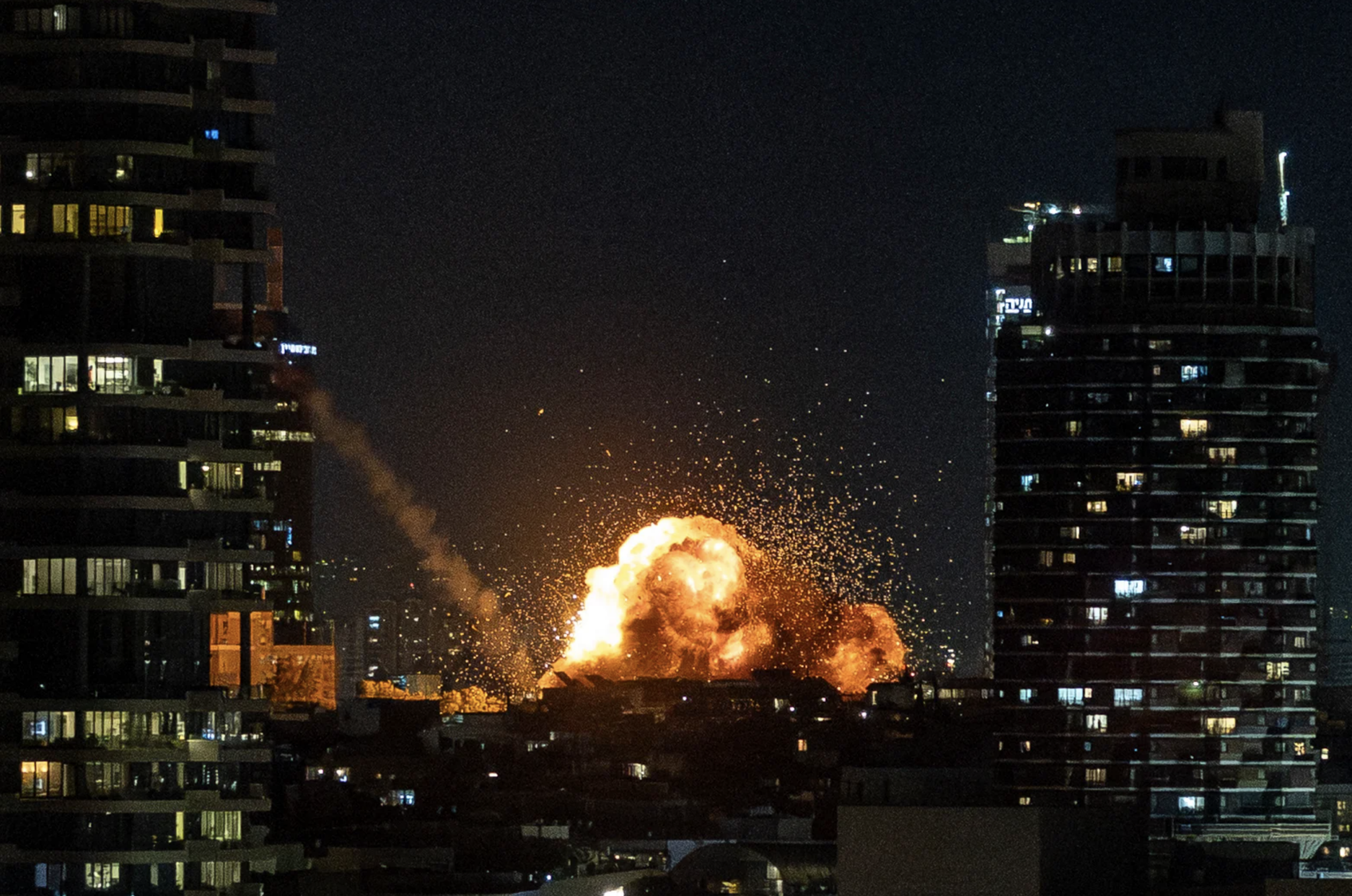
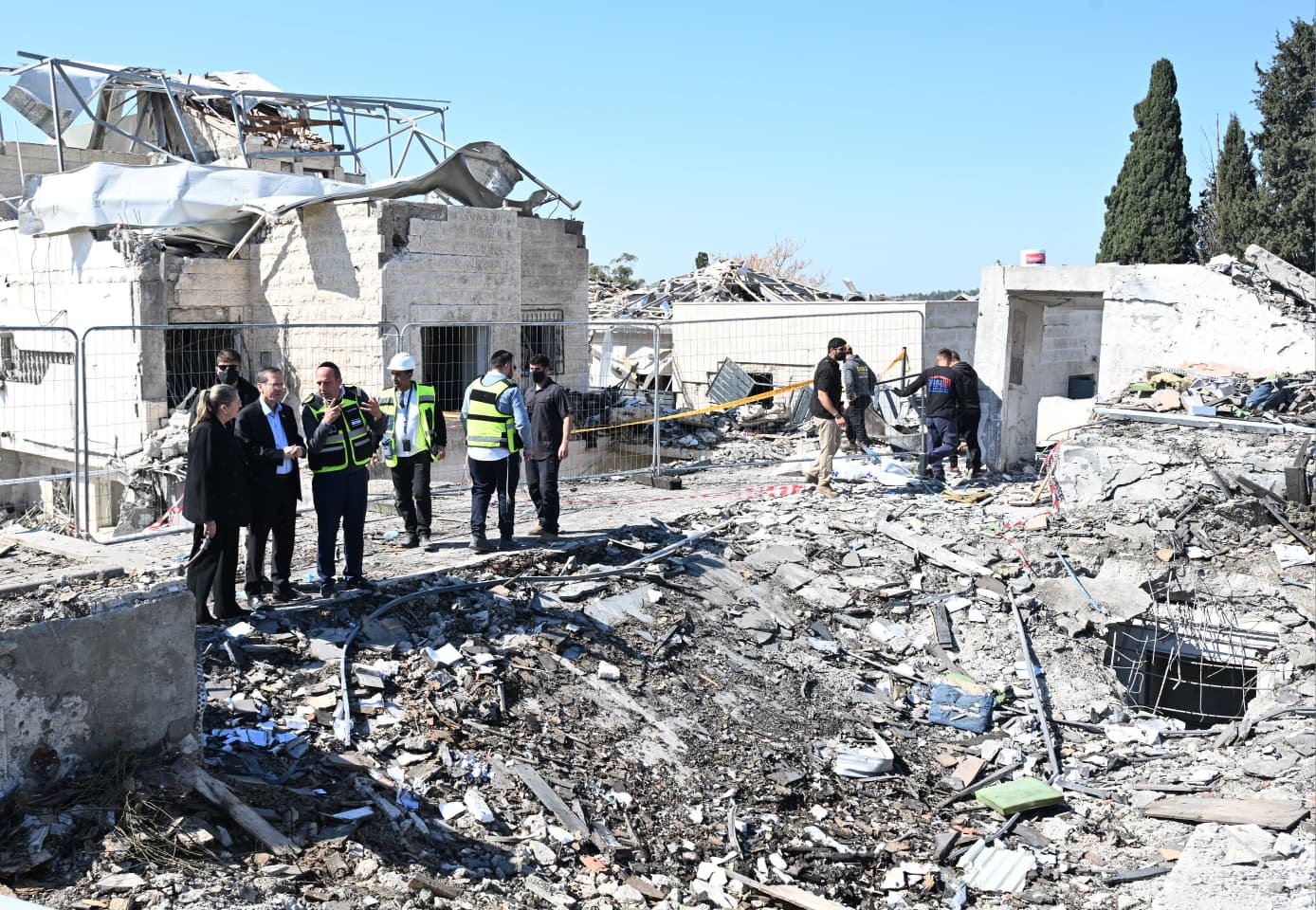
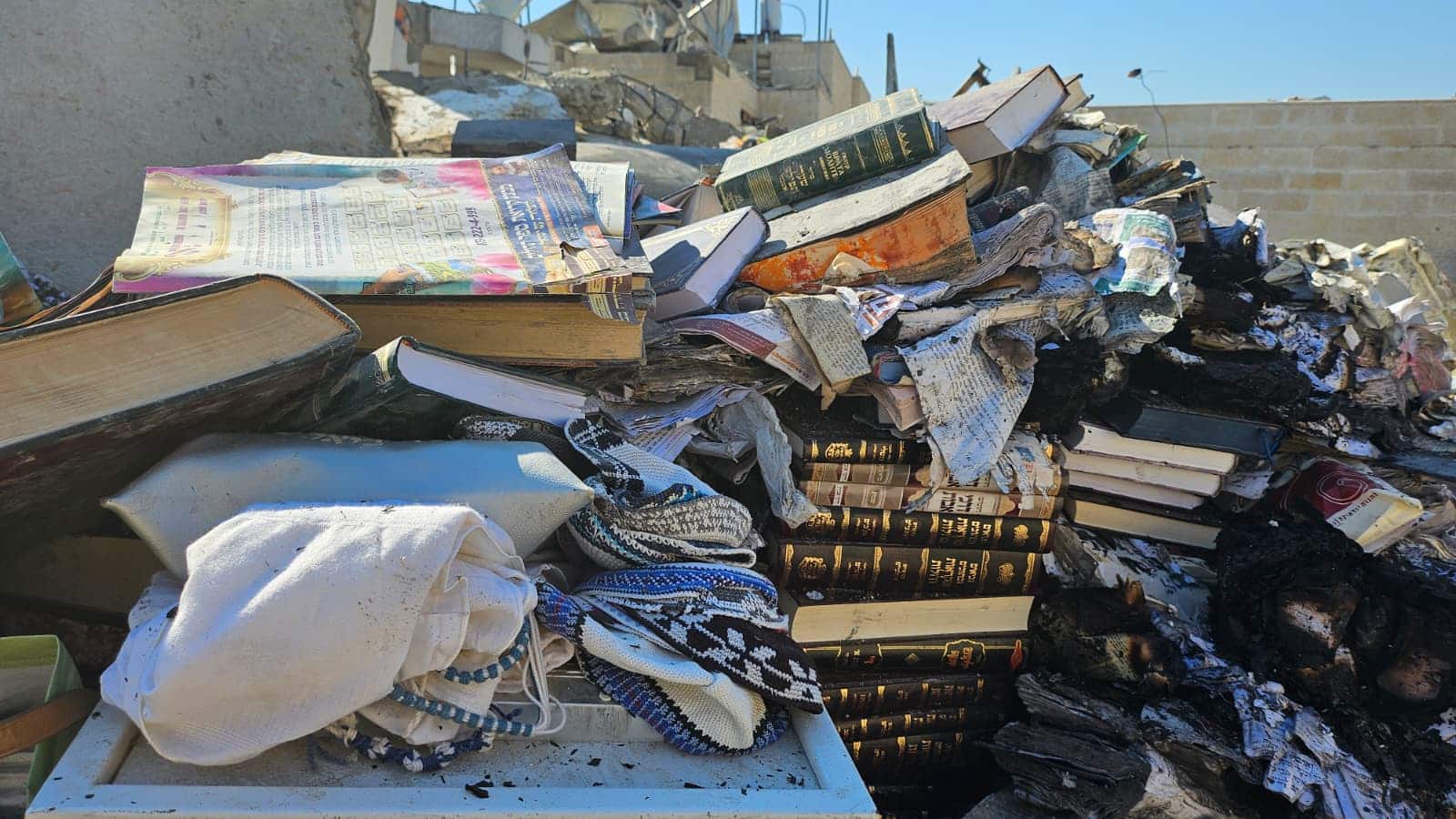
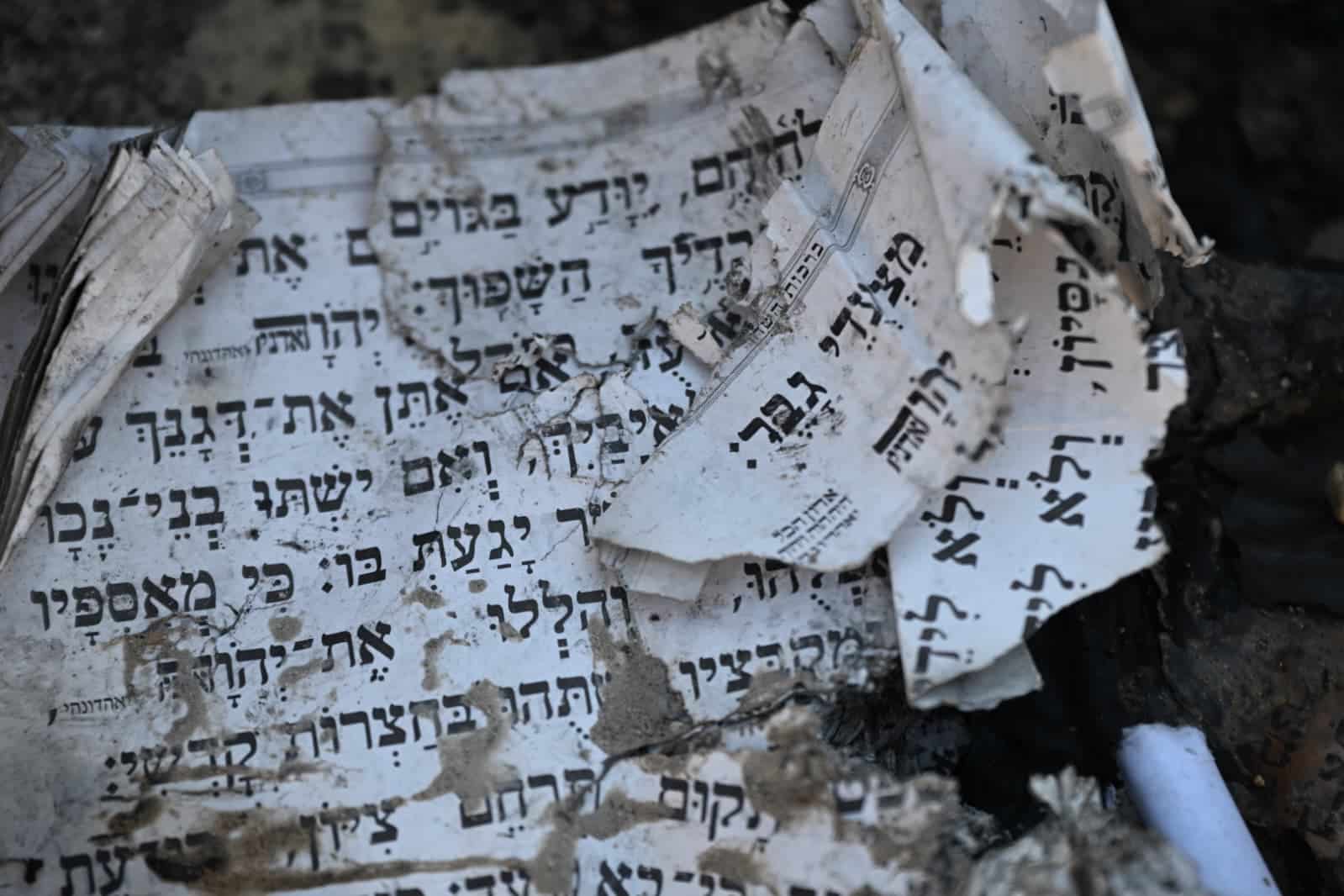
Direct hits have been confirmed in Tel Aviv, Bnei Brak, and Beit Shemesh, where nine people were killed and 28 injured in a single strike. At least 12 Israeli civilians have now been killed by Iranian missiles.
Missile defense systems have intercepted the vast majority of incoming fire. We are shaken, but we are standing. We do not take that lightly for even a moment.
Is This World War 3?
I know that question is sitting in your head right now, because it is sitting in ours too. The messages I have been receiving from friends and supporters around the world all carry the same undertone of fear: Is this the moment when everything spirals?
Here is what I can tell you honestly. No major global power is moving toward direct conflict. Europe, Russia, and China are all publicly calling for de-escalation. The Arab nations that have been struck are focused on defense and diplomacy, not on widening the war. The war pattern is intense, but it remains regional.
That does not mean the risk is zero, and I will not pretend otherwise. The Iran proxy Hezbollah, has now opened a second front from the north. Other proxies, like the Houthis, and Iranian-backed militias can escalate in multiple directions all at once.
We are watching. We pray for Israel and Iran, and what it means for the world. But right now, the world is not tilting toward global war. And I say this not to minimize what is happening, but because fear has a way of writing stories that haven’t happened yet, and we cannot afford to live inside those stories.
The Morning the World Changed
Then came the news that none of us were fully expecting, even those of us who had been praying toward this moment for months.
Ali Khamenei, Supreme Leader of the Islamic Republic of Iran, was killed in a targeted US-Israeli strike on his compound in Tehran on February 28, 2026. He was confirmed dead alongside family members, senior IRGC commanders, and roughly 30 top political and military officials. Iranian state media denied it for hours before finally confirming his death in the early hours of Sunday morning.
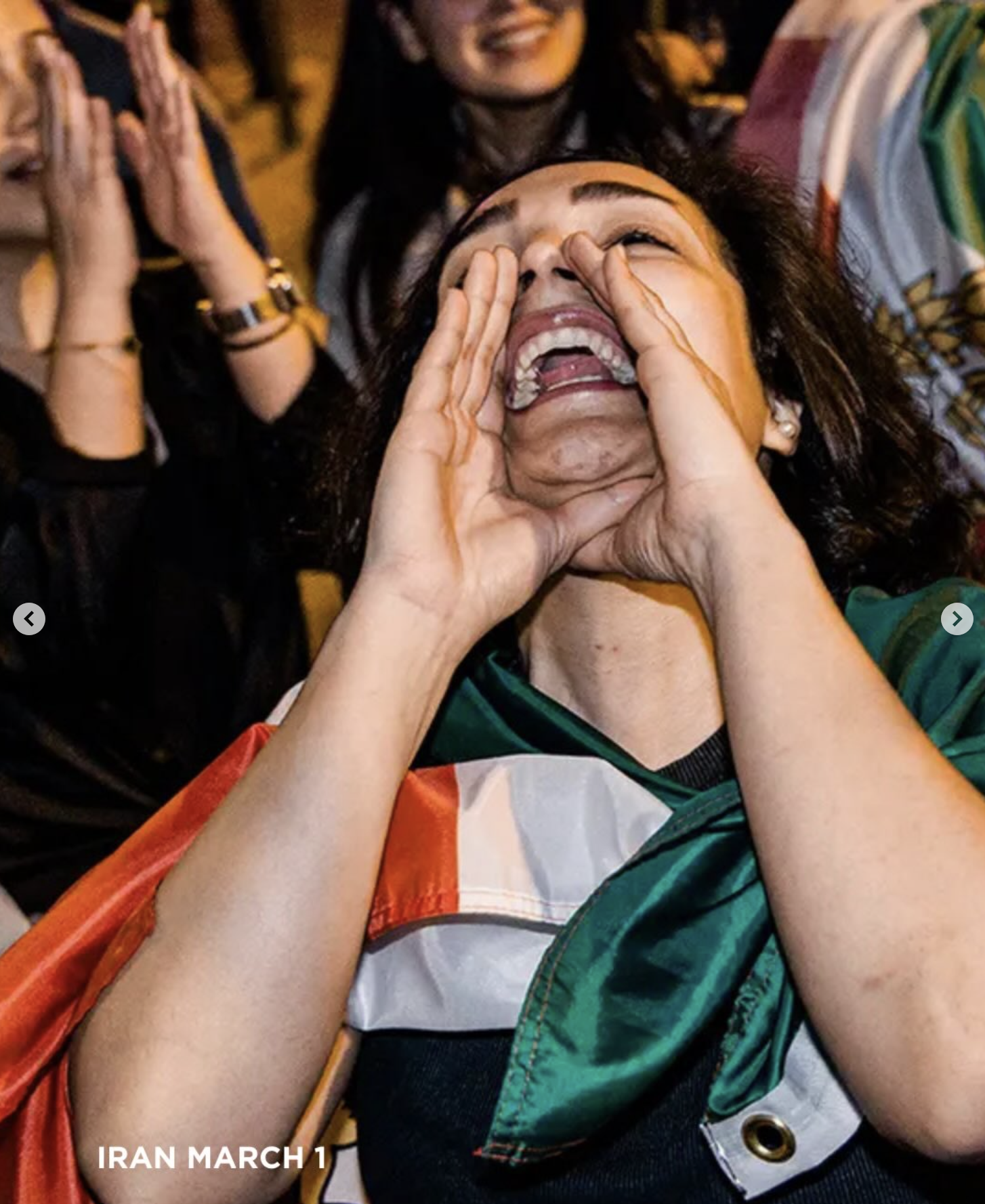
In parts of Tehran, people poured into the streets to celebrate.
To understand why this moment is seismic, you have to understand what Khamenei spent nearly five decades building. Since 1989, he has turned Iran into the world’s largest state sponsor of terrorism. Hamas. Hezbollah. The Houthis. The funding, the weapons, the ideology behind October 7th, all of it ran through this man. Every chant of “Death to Israel” and “Death to America” that has echoed through Iranian mosques and government buildings for a generation bears his name.
And he is gone.
What I Felt, and What I Saw Around Me
I want to be honest with you about what happened inside of me when the news broke, because I think many of you felt something similar and did not quite know what to do with it.
My first feeling was relief. A genuine, deep exhale. The thought that maybe, with him gone, there could be a real chance at peace in this region for the first time in decades. And then, almost immediately alongside that relief, came a check in my spirit. A pause.
Around me I watched people swing between absolute joy and something more complicated. Memes flying back and forth. Laughter mixed with disbelief. And underneath it all, for those of us who take the Word of God seriously, a quiet question: “Is this okay? Are we allowed to feel this?”
Here is where I landed, and what I believe Scripture points to.
Proverbs 24:17 tells us not to rejoice when our enemy falls. That word is real and we cannot dismiss it. We are not people who celebrate death. But the Psalms show us something equally true: when justice is served, when the oppressor is brought low, when God acts on behalf of the broken and the innocent, we confidently acknowledge it. Moses sings a powerful song after the enemy was cut off. Psalm 58 speaks of the righteous rejoicing in God’s justice.
Over the past 18 months we have watched Mohammed Deif, Ismail Haniyeh, Yahya Sinwar, Hassan Nasrallah, and now Ali Khamenei be removed from the stage of history. Every one of them spent their lives calling for the annihilation of Israel and America. Every one of them met the same end. We do not celebrate their deaths. We stand in awe of a God whose justice is patient, and whose justice is certain.
A Purim Unlike Any Other
I have to pause here, because what I am about to say is not coincidental. I refuse to believe it is.
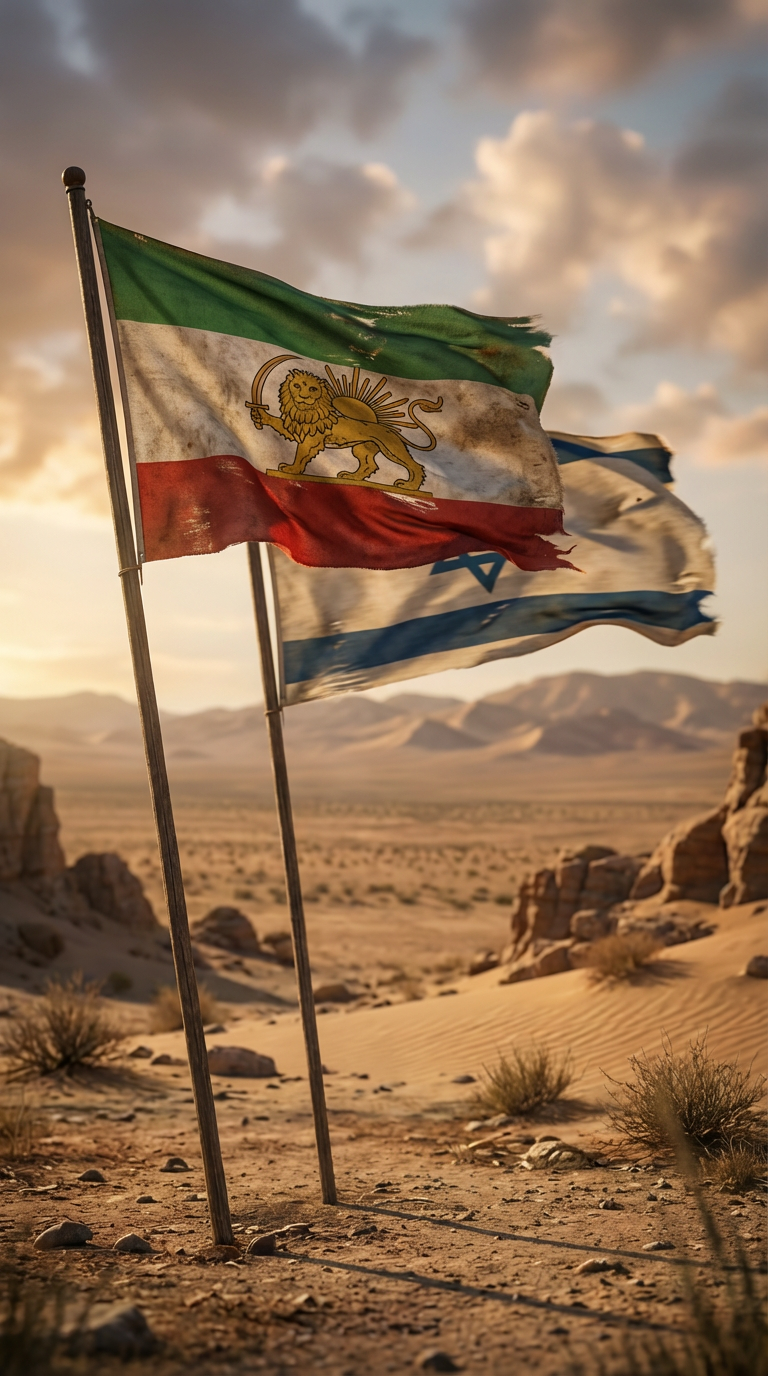
In just a matter of days, the Jewish world will celebrate Purim, the ancient feast remembering the deliverance of the Jewish people from a man named Haman, a Persian court official who plotted the annihilation of every Jewish man, woman, and child across 127 provinces. The setting of that story is Persia, modern day Iran.
You do not even have to squint to see the parallel. It is sitting right in front of us.
What makes this even more striking is what was already happening in Israel before a single missile was fired. For weeks, many of us across the body of Messiah in Israel have been in a 40-day corporate fast, with Iran specifically held in prayer before the Lord, in the same spirit as Esther’s fast before she walked into the king’s court. We were halfway through that fast when the sirens went off on Saturday morning. We were fasting and praying for Iran when the operation began. And on the eve of Purim 2026, the Haman of our generation fell.
I cannot attribute that to anything or anyone other than God.
But here is the part of the story we cannot rush past. After Haman was hanged, the work was not finished. The decree against the Jewish people was still in place. The people still had to rise and defend themselves. The removal of a leader, even the most powerful one, does not dismantle a system overnight. The regime will try to replace Khamenei. Retaliation will continue. The hardest chapter of this story may still be ahead.
The People the Headlines Are Missing
There is something happening inside Iran right now that the news will not show you, and I need you to know about it before I ask you to pray.
A few years ago I became friends with an Iranian believer who fled his country because of persecution. Not long ago I had the privilege of working with him on a music video that he recorded with a Jewish believer. It was one of the most quietly profound things I have been a part of since coming to Israel. Two ancient peoples, written off as forever enemies, worshipping the same Messiah.
Last week, he sent me a message. He asked me to pray for a woman he had discipled inside Iran, a woman he had baptized. The IRGC intelligence called and asked her to identify herself, then took her in for an interrogation. He begged to pray that the Holy Spirit would be with her, that Jesus would protect her, and that she would not be hurt or killed.
I have been praying for her since.
That woman is a reminder why this moment is about so much more than geopolitics. Iran is home to one of the fastest-growing underground church movements in the world. Millions of Iranians have given their lives to Jesus over the past two decades. Persecution’s fire has not stopped the gospel’s spread in Iran, it has fueled it.
Jeremiah prophesied over ancient Elam (today’s Iran), with judgment, but he did not end there. He ended with hope: “In the last days I will restore the fortunes of Elam, declares the Lord.” What if the collapse of this regime is the door for prophecy to come forth? What if the woman sitting across from her interrogators right now is part of a move of God that is about to step into the open for the first time in fifty years?
We believe that is possible. We are fasting and praying like it is.
Pray for Israel and Iran
If you are reading this from far away, I want you to hear this clearly: the distance between you and what is happening here does not make your prayers symbolic. It makes them essential. The millions of people whose lives hang in the balance across this region are depending on a global community of believers who will not look away.
Pray for:
- The safety of Israel as missiles continue to fall.
- Iranian people, especially the young generation who have grown up under this regime longing for a different future.
- The woman my friend baptized and for every believer like her who is potentially in danger right now.
- The underground church in Iran, that this moment would become the open door they have been interceding for, for decades.
And pray the prayer that Esther’s people prayed, the prayer that still carries the same weight it always has: Your kingdom come, Your will be done, on earth as it is in heaven.
On a quiet Shabbat morning in Israel, my boys ran crying to the shelter. That screech went all the way to my toes. And somewhere in Tehran, a woman who knows the name of Jesus sat down across from men who wanted to silence her.
Both of those things are true right now. And the God who heard Esther’s plea hears ours too.
Join us for a live prayer call tonight at 8PM Israel time. To register and receive live updates from the region, visit this link